If your allergies seem worse at home, you may not think of the laundry room first. Carpets, bedding, air ducts, and outdoor pollen are more obvious sources of indoor and outdoor allergens. However, washer and dryer mold can also contribute to the problem.
A musty-smelling washer, damp laundry room, standing water, or a dryer that takes much longer than usual to dry clothes can indicate a problem worth investigating. In some cases, routine cleaning is enough. If the moisture or odor keeps returning, however, the underlying cause may involve drainage, seals, or ventilation.
For homeowners in Buford, GA, understanding these warning signs can make it easier to determine whether the laundry area needs attention. Mold or moisture problems should not automatically be blamed for allergy or asthma symptoms, but persistent indoor moisture is a reasonable issue to address.
Key Takeaways
- Front-load washers can trap moisture, detergent residue, and debris around the door gasket, creating conditions that may support mold growth.
- Restricted or poorly vented dryers can contribute to longer drying times, excess heat, and moisture problems around the appliance.
- Musty odors, standing water, persistent dampness, visible buildup, and unusual drying times are signs that the laundry area may need attention.
- Regular cleaning and proper ventilation can help control moisture, but recurring problems may point to drainage, sealing, or venting issues.
- Buford’s humid conditions can make it harder for damp laundry areas to dry completely, making moisture control especially important.
- Washer or dryer mold should not automatically be blamed for allergy or asthma symptoms, which can have many possible triggers. Discuss persistent symptoms with a healthcare professional.
Can Washer and Dryer Mold Affect Allergies?
Mold can grow wherever moisture remains for long enough. Laundry rooms are particularly important to inspect because washers use water and dryers produce warm, moist exhaust.
People who are sensitive to mold may experience symptoms when exposed to indoor mold. At the same time, allergies and asthma can have many triggers, including outdoor pollen and other indoor allergens. A musty washer or visible mold therefore does not establish that an appliance is responsible for a person’s symptoms.
The practical concern is moisture. If water or humid air is repeatedly trapped inside or around an appliance, the conditions may support mold growth and other buildup. If you notice persistent moisture or recurring appliance problems, Buford appliance repair can help identify whether the issue involves the washer, dryer, drainage, or ventilation.
How Front-Load Washers Trap Moisture
Front-load washers are especially prone to retaining moisture around the door gasket. The rubber seal has folds that can collect water, detergent residue, lint, and other debris.
When these areas remain damp between loads, buildup can develop over time. Several everyday habits can make the problem worse:
- Closing the washer door immediately after a cycle
- Using more detergent than recommended
- Leaving water or residue on the gasket
- Failing to clean the gasket regularly
- Running several loads without allowing the washer to dry
Leaving the door open between loads, when safe and appropriate, allows air to circulate through the drum. Wiping the gasket after use and cleaning it regularly can also reduce moisture and residue.
If a musty odor or visible buildup keeps returning after cleaning, look beyond the gasket. Persistent moisture can sometimes point to drainage or sealing problems that routine cleaning won’t fix.
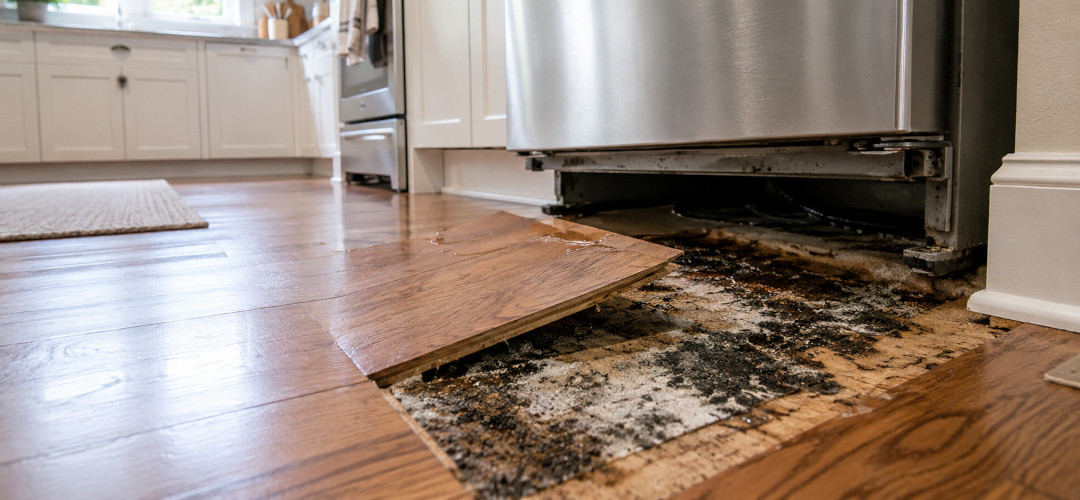
Recurring moisture can also lead to problems that aren’t immediately visible, including hidden mold from appliance leaks beneath or around flooring.
Why Dryer Ventilation Matters
Dryers need to move warm, moist air through the vent and outside the home. When the vent is restricted, clogged, or improperly routed, airflow can be reduced.
A restricted vent can contribute to longer drying times and excessive heat around the appliance. If moist exhaust isn’t discharged properly, moisture can also become a concern in the laundry area.
Pay attention to these signs:
- Clothes take significantly longer to dry
- The dryer or surrounding area feels unusually hot
- The laundry room smells damp or musty
- Lint accumulates around the vent connection
- Moisture or condensation appears near the dryer
Cleaning the lint screen after each load is an important maintenance step, but it does not replace attention to the dryer vent system.

Signs of a Washer or Dryer Moisture Problem
A single unusual odor does not necessarily mean mold is present. However, recurring signs can indicate the laundry area needs closer inspection.
Look for:
- A musty odor coming from clean laundry
- Dark spots or discoloration around the washer gasket
- Persistent moisture inside the washer
- Standing water or slow drainage
- A damp smell that keeps returning
- Clothes that remain unusually damp after a drying cycle
- Drying times that have become noticeably longer
- Moisture or condensation around the dryer
These signs do not identify the exact cause on their own. They can point to issues involving cleaning, drainage, seals, airflow, or ventilation.
Why Humidity Matters in Buford Homes
Humidity can make it harder for damp areas to dry completely. This is especially true in laundry rooms with limited ventilation or when appliances are installed in garages or other enclosed spaces.
Buford homeowners may also deal with seasonal outdoor allergens, including pollen. That makes it useful to consider both indoor and outdoor factors when allergy symptoms repeatedly occur at home.
Rather than assuming a recurring symptom is caused by either pollen or an appliance, pay attention to home conditions. A laundry room with persistent dampness, visible mold, standing water, or a recurring musty odor points to a specific maintenance issue you can investigate.
What to Do When a Musty Smell Keeps Coming Back
Start with routine maintenance. Clean the washer gasket and areas where detergent or debris accumulate. Allow the washer interior to dry between loads, and keep the lint screen clean.
Then monitor the problem.
If the odor returns soon after cleaning, check for signs that moisture is not being eliminated properly. Slow drainage, standing water, damaged seals, unusual drying times, and poor dryer airflow can all warrant further investigation.
Cleaning only addresses buildup that is already visible. It will not fix a blocked drain, damaged seal, or restricted ventilation system.
If you continue to find standing water or recurring moisture, or if mold extends beyond a surface that can be safely cleaned, consider having a qualified technician inspect the appliance.
When Should You Call a Professional?
A professional inspection may be appropriate if a moisture or odor problem continues despite routine maintenance.
If you continue to experience recurring moisture, drainage, or ventilation problems, a professional appliance repair service such as Appliance EMT can inspect the washer or dryer and help identify the underlying issue.
Consider getting the appliance checked if you notice:
- Recurring musty odors
- Standing water
- Slow or incomplete drainage
- Persistent moisture inside or around the appliance
- Unusually long drying times
- Excessive heat around the dryer
- Visible mold beyond an easily cleaned surface
- A problem that repeatedly returns after cleaning
The goal is to identify why the moisture is returning. Depending on the appliance and installation, the underlying issue could involve drainage, a seal, airflow, or ventilation.
Frequently Asked Questions
Can washer or dryer mold cause allergy symptoms?
Mold exposure can be an indoor environmental concern for people who are sensitive to mold. However, allergy and asthma symptoms can have many causes. A washer or dryer shouldn’t automatically be considered the source of symptoms without considering other possible triggers. Discuss persistent symptoms with a qualified healthcare professional.
How often should I clean my washer gasket?
Regular cleaning can help reduce moisture, residue, and buildup. Wipe the gasket regularly, especially when you notice standing water or residue. Leaving the washer door open between cycles can also help the interior dry when appropriate.
Is a musty smell always a sign of mold?
No. A musty smell can have several causes, but it can indicate trapped moisture. Because persistent moisture can create conditions favorable to mold growth, a recurring odor is worth investigating rather than masking it with air fresheners or fragrance.
When should I have my washer or dryer inspected?
Consider professional inspection if cleaning does not resolve the problem or if you notice standing water, slow drainage, recurring moisture, unusually long drying times, or visible mold that extends beyond an easily cleaned area.
Can dryer vent cleaning help with moisture problems?
Proper dryer ventilation helps move warm, moist air outside the home. If the vent is restricted, improving airflow can help the dryer operate more efficiently and reduce the potential for moisture to accumulate around the appliance.
When Laundry Room Moisture Needs Attention
Washers and dryers can be easy to overlook when investigating moisture and indoor air-quality concerns. A washer can retain water and residue around its gasket, while a poorly ventilated dryer can develop airflow and moisture problems.
For Buford homeowners, paying attention to both indoor moisture and outdoor allergens can help identify potential sources of recurring problems. If your laundry room has a persistent musty odor, standing water, visible buildup, or unusual drying times, look for the source rather than repeatedly treating the symptom.
Routine maintenance may solve a minor buildup problem. When the same issue keeps returning, an appliance inspection can help determine whether drainage, sealing, or ventilation needs attention.