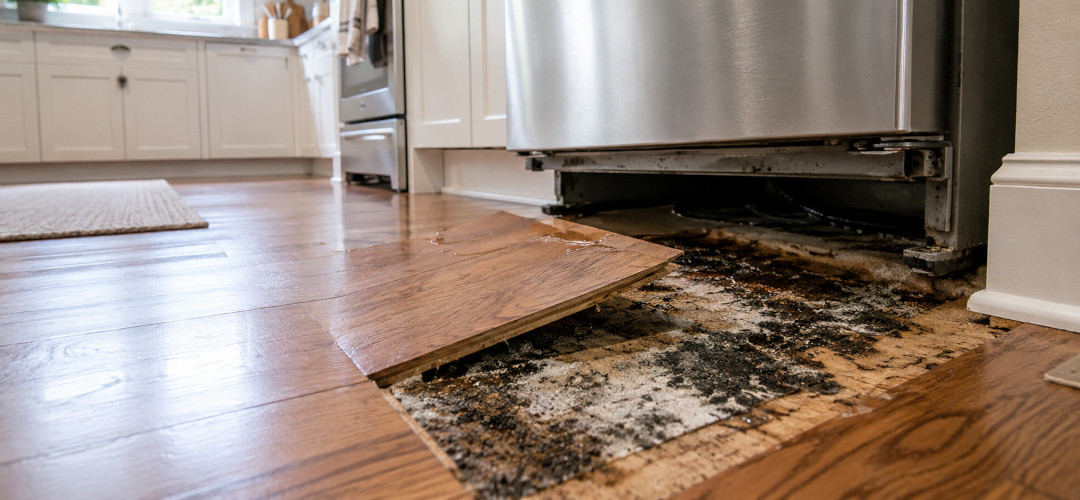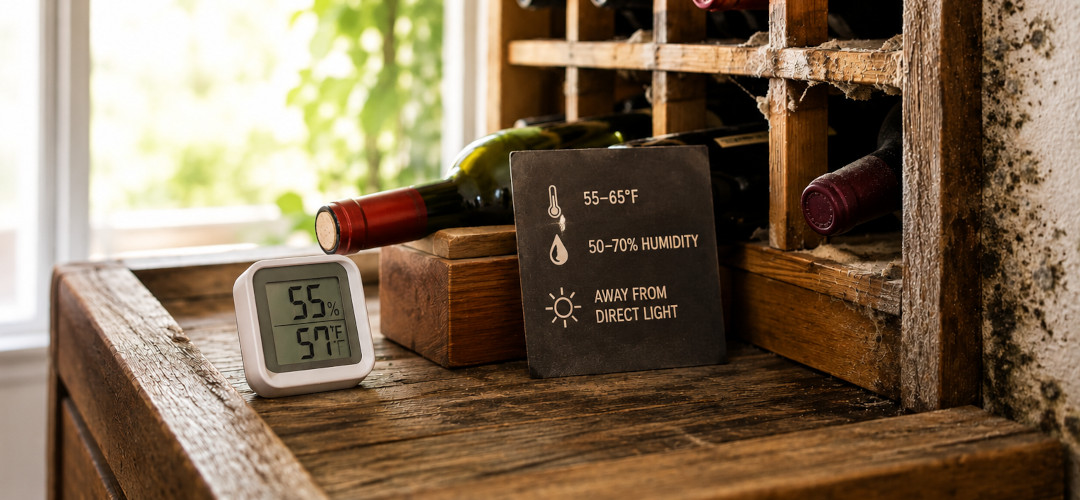
Wine storage is usually associated with protecting flavor and preserving a collection. However, the conditions around stored wine can also affect the storage area itself. Excess moisture, poor ventilation, temperature instability, and a malfunctioning wine cooler can all create wine storage problems that homeowners should not overlook.
A bottle that has been exposed to heat or sunlight for too long may simply lose its flavor. A damp storage area, on the other hand, can develop mold or persistent musty odors. When a wine cooler no longer maintains a consistent temperature, condensation and uneven cooling can become additional concerns.
For Alpharetta homeowners who keep wine at home, understanding the difference between wine-quality problems and environmental or equipment problems can make it easier to address issues before they become more serious.
Key Takeaways
- Heat, direct sunlight, and temperature fluctuations can accelerate wine deterioration and affect flavor.
- Excess moisture and inadequate ventilation can encourage mold growth on corks, labels, racks, shelving, and nearby surfaces.
- Oxidized wine is generally a quality concern rather than an immediate health hazard.
- A malfunctioning wine cooler can contribute to uneven temperatures, condensation, and premature wine deterioration.
- Alpharetta’s warm, humid summers can make poorly controlled storage areas more challenging for wine storage.
- Regularly checking the storage environment and wine cooler can help identify problems early.
Can Improper Wine Storage Affect Your Health?
In many cases, improper wine storage results in a quality problem rather than a direct health concern. Wine that has been exposed to excessive heat, light, or temperature fluctuations may taste flat, sharp, or otherwise unpleasant.
That does not necessarily mean the wine has become dangerous to drink.
The environment surrounding the wine deserves separate consideration. Persistent dampness and inadequate ventilation can encourage mold growth on corks, labels, shelving, racks, and other surfaces. A musty odor or recurring condensation can indicate that moisture is accumulating where it should not.
It is useful to distinguish between the condition of the wine and the condition of the storage area. A bottle that tastes different is not automatically a health emergency. Visible mold, persistent dampness, recurring condensation, or an appliance that is not maintaining proper conditions deserves closer attention.
Wine storage is only one part of maintaining a comfortable home environment during Alpharetta’s warm weather. Staying adequately hydrated is also important, and understanding why people can become chronically dehydrated can help homeowners recognize potential hydration issues.
Three Wine Storage Conditions to Watch
Heat and Temperature Swings
Wine is sensitive to temperature. Consistently warm conditions can accelerate oxidation and affect the wine’s characteristics.
Frequent temperature changes can also create problems over time. Repeated warming and cooling may affect the cork seal, increasing the risk of oxidation or leakage.
For that reason, wine is better kept in an environment with relatively stable conditions. Kitchen counters, sunny rooms, garages, and poorly insulated storage areas may experience larger temperature fluctuations than homeowners realize.
A space that feels comfortable at one time of day may become significantly warmer later, particularly during Alpharetta’s hotter months.
Direct Light
Light is another factor that is easy to overlook. Direct sunlight and strong artificial light can affect compounds associated with a wine’s color and character. Many wine bottles are tinted for this reason.
A bottle sitting beside a sunny window may appear perfectly normal at first. Prolonged exposure to afternoon sunlight, however, can gradually affect its quality.
Whenever possible, wine should be stored in a dark or dimly lit location, away from direct sunlight.
Humidity and Poor Ventilation
Humidity requires particular attention when wine is stored in an area with poor climate control.
Very dry conditions can contribute to cork problems, while excessive moisture can encourage mold growth on labels, racks, shelving, and surrounding surfaces. Poor ventilation can make these conditions more difficult to manage.
The concern is not limited to the bottles themselves. If a storage area repeatedly develops a musty smell, condensation, damp surfaces, or visible mold, the source of the moisture should be investigated rather than repeatedly cleaning the affected area.
Good ventilation and reasonable humidity control can help maintain a better storage environment.
Signs Your Wine Storage Has a Problem
Several warning signs can indicate that either the storage environment or the wine cooler needs attention. Understanding common wine cooler issues can also help homeowners recognize when an appliance may not be maintaining proper storage conditions.
Some of the common wine storage problems include:
- A persistent musty or damp smell
- Visible mold on corks, labels, wooden racks, or shelving
- Multiple bottles developing unusual flavors
- Condensation collecting inside a wine cooler
- A wine cooler that feels warmer than its displayed temperature suggests
- Unusual noises from the appliance
- A wine cooler that runs more frequently or continuously
- Noticeable temperature differences between bottles stored in different parts of the unit
One sign by itself does not necessarily indicate a serious problem. Several occurring together, however, are worth investigating.
For example, condensation combined with uneven cooling may indicate an appliance problem rather than a simple wine storage issue. A persistent musty odor combined with damp shelving may indicate that moisture is accumulating in the surrounding area.

What Alpharetta’s Climate Means for Wine Storage
Alpharetta’s warm, humid summers can make wine storage more challenging in areas without stable climate control.
Garages, unfinished basements, closets, and other storage spaces can experience temperature and humidity changes throughout the day. These fluctuations may be easy to underestimate because a space can feel comfortable at one point and become considerably warmer or more humid later.
Wine stored outside a climate-controlled room or dedicated wine cooler should therefore be checked periodically rather than assumed to be in suitable conditions.
Moisture is another consideration. Storage areas that remain damp after heavy rain or have limited airflow can be more susceptible to condensation and mold. Improving ventilation and addressing the source of recurring moisture can help protect both the storage area and the wine collection.
How to Prevent Wine Storage Problems
A few straightforward practices can help reduce common wine storage problems.
1. Keep Wine Away From Direct Sunlight
Choose a dark storage location whenever possible. Avoid placing bottles beside windows or in areas exposed to strong afternoon sunlight.
2. Avoid Areas With Large Temperature Swings
Garages and poorly insulated storage rooms may experience larger temperature changes than the rest of the house.
A stable, climate-controlled environment is generally a better choice for storing wine than a space that fluctuates widely in temperature throughout the day.
3. Check Your Wine Cooler Periodically
A wine cooler can appear to be functioning normally even as it develops a cooling problem. A display showing the expected temperature does not necessarily mean every part of the unit is consistently maintaining that temperature.
Pay attention to condensation, unusual noises, changes in how often the unit runs, and noticeable temperature differences between bottles.
4. Watch for Moisture
Condensation, damp shelving, musty odors, and visible mold should not be ignored.
If moisture continues to return after cleaning, the underlying source should be identified. Simply wiping down the affected area may not resolve the problem if the storage environment or cooling appliance continues to produce excess moisture.
5. Address Wine Cooler Problems Early
A wine cooler that runs continuously, struggles to maintain temperature, cools unevenly, or develops unusual operating noises may need professional attention.
Problems involving components such as the condenser, compressor, or door seal can affect the appliance’s ability to maintain consistent conditions. Addressing an equipment problem early may help prevent further damage to the wine collection and reduce the risk of ongoing moisture problems.
When a Wine Cooler Needs Professional Attention
Not every wine storage problem requires an appliance repair technician. However, persistent cooling problems should not be dismissed simply because the appliance is still running.
A wine cooler that displays the correct temperature but has noticeably warmer bottles in one area may not be cooling evenly. Condensation inside the unit, unusual noises, or continuous operation can also indicate that a component is no longer functioning properly.
A qualified appliance repair technician can inspect the unit and determine whether the problem involves the cooling system, condenser, compressor, door seal, or another component.
For Alpharetta homeowners experiencing these symptoms, Appliance EMT can evaluate wine cooler problems and help identify the source of inconsistent cooling or other appliance issues.
Frequently Asked Questions
Can drinking improperly stored wine make me sick?
Wine that has simply oxidized is generally a quality concern rather than an immediate health concern. However, wine that has been exposed to mold or other contamination should not be treated the same way. If there is uncertainty about a bottle’s condition, it is safer not to drink it.
How do I know if my wine cooler is causing a problem?
Look for uneven temperatures, condensation, unusual noises, continuous operation, or a unit that seems warmer than its display indicates. These symptoms may indicate that the cooling system or another component is not functioning properly.
Where is the worst place to store wine in an Alpharetta home?
Garages, unfinished basements, and other areas without stable climate control can be poor choices, particularly during hot and humid weather. A climate-controlled room or properly functioning wine cooler generally provides more stable conditions.
How humid is too humid for wine storage?
Humidity needs to be balanced. Excessive moisture can encourage mold growth, particularly in poorly ventilated areas, while very dry conditions can contribute to cork problems. The original draft recommends relative humidity of approximately 50% to 70%, but homeowners should consider the conditions of the entire storage environment rather than relying on humidity alone.
Who should I call if my wine cooler isn’t maintaining temperature?
A qualified appliance repair technician can inspect the unit to determine whether the problem involves the compressor, condenser, door seal, or another component. A professional diagnosis can help identify the problem before temperature instability causes further damage to the wine collection.
Protect Your Wine and Your Storage Space
Wine storage problems do not always announce themselves immediately. A cooler can gradually lose its ability to maintain consistent temperatures, while a storage area can slowly become damp or develop a musty odor.
The best approach is to pay attention to the conditions surrounding the wine, not just the condition of the bottles. Keep wine away from direct sunlight, avoid locations with large temperature fluctuations, monitor moisture levels, and periodically check that a wine cooler is maintaining consistent conditions.
If you notice recurring condensation, uneven cooling, unusual appliance noises, visible mold, or persistent dampness, investigate the problem rather than allowing it to continue. Catching a storage or equipment issue early can be much easier than dealing with a damaged wine collection or a larger moisture problem later.