Before I started writing about home health, I spent several years working alongside indoor air quality inspectors. One issue came up far more often than most homeowners expected: hidden mold caused by slow appliance leaks beneath kitchen floors. Unlike mold on a bathroom ceiling or basement wall, this kind can grow for months without any visible warning signs.
I wrote this guide for homeowners across the Atlanta metro area who have noticed a musty smell, unexplained allergy symptoms, or an older refrigerator or dishwasher that has never been checked for leaks. While I’m not a medical professional, I’ve seen how a tiny drip can quietly turn into a costly indoor air quality problem. If you have ongoing respiratory symptoms, consult your healthcare provider.
Key Takeaways
- Slow refrigerator and dishwasher leaks can create hidden mold beneath flooring long before visible damage appears.
- Mold exposure may contribute to congestion, headaches, allergy flare-ups, and worsened asthma in sensitive individuals.
- Georgia’s humid climate allows trapped moisture beneath floors to linger longer than in drier regions.
- Checking appliance water lines, drip pans, seals, and nearby flooring every six months can help prevent expensive repairs.
- If you discover a mechanical problem, contact a qualified appliance repair technician instead of attempting major repairs yourself.
The Leak You Never See Is Often the Most Expensive
Most hidden mold problems don’t start with a burst pipe. They begin with a leak so small that it barely gets your attention.
A refrigerator’s water supply line might develop a tiny crack. A dishwasher door seal may allow a few drops of water to escape during every cycle. Condensation can overflow from a neglected drip pan. None of these problems seems serious at first. If you’ve just discovered water around your refrigerator, these leaky refrigerator DIY fixes can help you identify common causes before a minor issue turns into hidden water damage. The water rarely stays where you can see it.
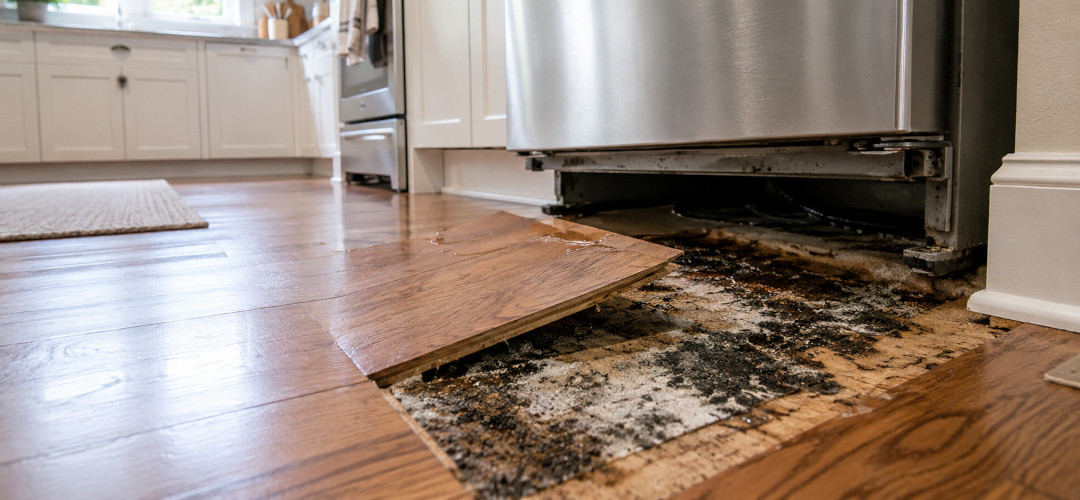
Instead, it slips beneath laminate, vinyl, or hardwood flooring and soaks into the subfloor. In Georgia’s warm, humid climate, that trapped moisture often stays damp long enough for mold to grow.
According to the EPA, controlling moisture is the most effective way to prevent mold indoors. Once mold becomes established beneath the flooring, spores can spread through small gaps in the floor and affect your home’s indoor air quality.
When the Symptoms Don’t Point to the Kitchen
One reason hidden mold is so difficult to identify is that it doesn’t always cause obvious household damage first. Instead, homeowners often notice physical symptoms before they notice a leak.
Some of the most common signs include:
- Persistent nasal congestion
- Morning headaches that improve after leaving home
- Allergy flare-ups
- Worsening asthma symptoms
- Unexplained fatigue
- A lingering musty odor in the kitchen
One pattern I’ve noticed over the years is when multiple family members begin experiencing similar symptoms around the same time. While mold isn’t always the cause, it’s worth investigating if those symptoms appear alongside moisture issues or unusual odors.
The Appliances Most Likely to Cause Hidden Mold
If I had to rank the biggest offenders, refrigerators would be at the top of the list.
They run around the clock, produce condensation, and often sit in the same spot for years without being moved. I’ve helped inspect homes where the flooring looked perfectly normal until the refrigerator was pulled away from the wall. Underneath was soaked plywood, dark staining, and mold that had likely been growing for months.
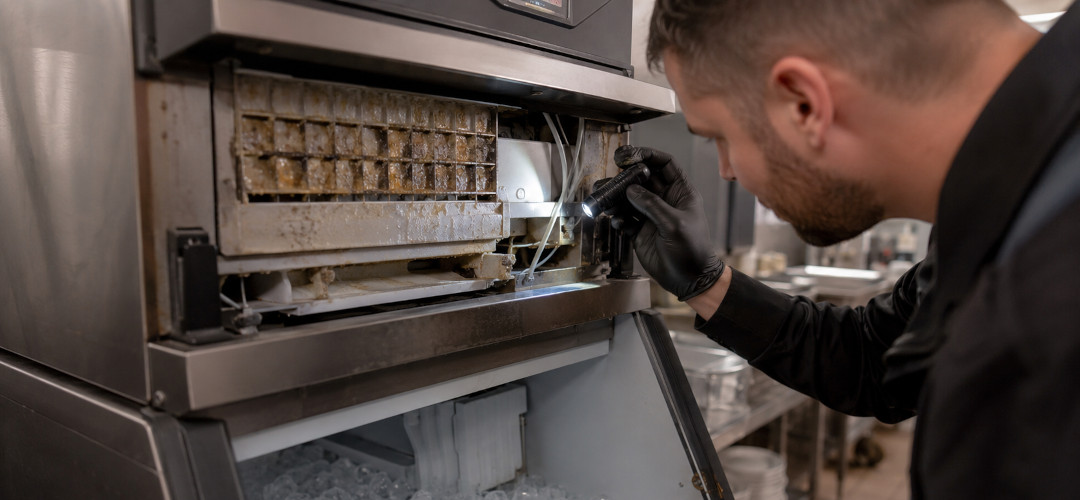
Twice a year, I recommend checking:
- The condensation drip pan for standing water
- Water supply lines for cracks or loose fittings
- The door gasket for gaps or wear
- The floor beneath the appliance for discoloration, softness, or moisture
These inspections usually take less than twenty minutes, but can prevent thousands of dollars in flooring repairs.
They can also help you catch cooling or moisture problems before they affect temperature-sensitive medications. If you keep insulin, biologics, or other refrigerated prescriptions at home, our guide on medication storage mistakes explains why your refrigerator’s performance matters for more than just food.
Dishwashers deserve just as much attention. A slow leak from a pump, hose, or worn door gasket can quietly saturate the subfloor without leaving a visible puddle.
Front-loading washing machines can create similar problems if moisture collects inside the rubber door seal and repeatedly escapes onto nearby flooring.
Whenever I inspect my refrigerator, I check every nearby appliance during the same maintenance session. It’s a simple habit that catches problems before they become expensive.
If an inspection reveals damaged water lines, cooling issues, or recurring leaks, that’s when I recommend calling a professional. Once the problem involves sealed refrigeration components or internal mechanical systems, specialized equipment is usually needed. I’ve recommended Appliance EMT to neighbors facing those types of repairs because quickly resolving the leak is the best way to prevent mold from spreading.

Why Atlanta Homes Face a Higher Risk
Metro Atlanta homeowners face an extra challenge that many people overlook.
Long, humid summers slow the drying process whenever water becomes trapped beneath flooring. In neighborhoods like Marietta, Roswell, Alpharetta, Johns Creek, and Buckhead, I’ve seen small appliance leaks stay damp for weeks, especially in older homes with aging subfloors or limited ventilation.
Many homes built years ago also lack modern moisture barriers beneath kitchen floors. That makes routine appliance inspections one of the easiest and most affordable ways to prevent hidden water damage.
The Mistakes I See Again and Again
The same costly mistakes tend to repeat themselves.
Some homeowners wipe up visible water without checking underneath the appliance. Others replace damaged flooring before fixing the leak that caused it. Unfortunately, the moisture simply returns, along with the mold.
The biggest mistake is waiting for obvious signs. By the time flooring feels soft or a strong musty smell fills the kitchen, mold has often spread far beyond the original leak.
I’ve learned that it’s better to think of this as an appliance maintenance issue instead of a flooring problem. Catch the leak early, and you often avoid both.
Frequently Asked Questions
Can mold grow under a refrigerator without a visible leak?
Yes. Small leaks from water lines or condensation systems can slowly soak the subfloor without creating noticeable puddles, allowing mold to develop unnoticed.
Is mold from appliance leaks dangerous?
For many healthy adults, mold exposure may cause mild irritation, including congestion or headaches. People with asthma, allergies, or weakened immune systems are generally more sensitive and should address moisture problems promptly.
How often should I inspect my appliances?
Every six months is a good rule of thumb. Older refrigerators, dishwashers, and washing machines should be checked more frequently if they’ve shown signs of leaking or inconsistent performance.
Should I use a home mold test kit?
Home mold test kits can produce inconsistent results. If you suspect hidden mold beneath your flooring, a certified mold inspector can provide a more reliable assessment.
Final Thoughts
Hidden mold rarely starts with a major plumbing disaster. More often, it’s the result of a slow appliance leak that goes unnoticed until the damage becomes expensive.
A twenty-minute inspection twice a year can help protect your flooring, improve your home’s indoor air quality, and prevent repairs that cost far more than routine maintenance. In Georgia’s humid climate, that’s one of the smartest habits homeowners can build before a small leak becomes a much bigger problem.